Large-Format Storytelling Graphics
Have a large surface and a story worth showing?
A large surface should do more than sit blank or carry a logo.
When scale, distance, shape, setting, and project roles are not addressed early, a promising visual idea can remain unused or stall before it becomes a qualified project.
Start with a short conversation about the surface, location, story, timing, and known site conditions. The contact route starts a conversation. It does not complete a purchase or commit either party to a project.
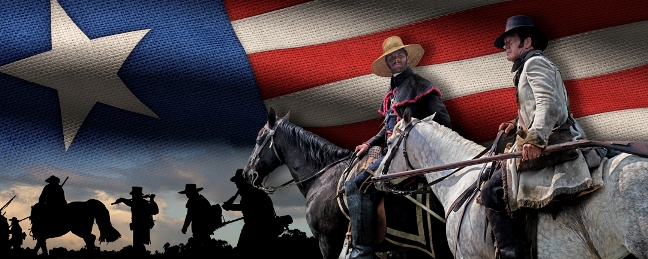
Texas history wrapped around a storage tank. Design by EPICArt. Install by Carthey Installations.
Turn the surface into a visible story that fits its scale and setting.
When the opportunity stays undefined, the surface remains unused, site conditions remain unknown, and the people needed for the next step stay disconnected.
A design planned for the real site, defined company roles, and a project path qualified before major commitments are made.
Zebulun Crest
Keeps the client, design team, production team, and installation team aligned from the first conversation through the next defined step.
EPICArt
Creative storytellers that began with the History Channel. They design the image the surface will carry.
EPICArt siteCarthey Installations
Owned and operated by John Carthey, one of the original authors of the 3M vinyl decal instruction book. 50+ years in the graphics industry.
Production, materials, measurement, access, scheduling, approvals, warranties, contracting, and other site-specific responsibilities are confirmed only after the opportunity is qualified.
Project types
Start with the surface and the story it needs to carry.
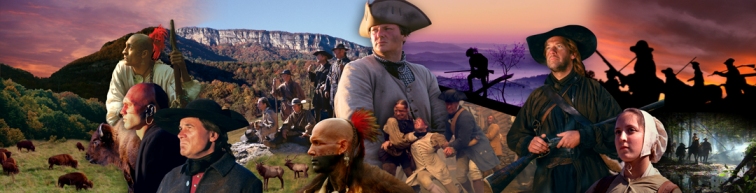
We design, wrap, print, and install large EPICArt® images for the following:
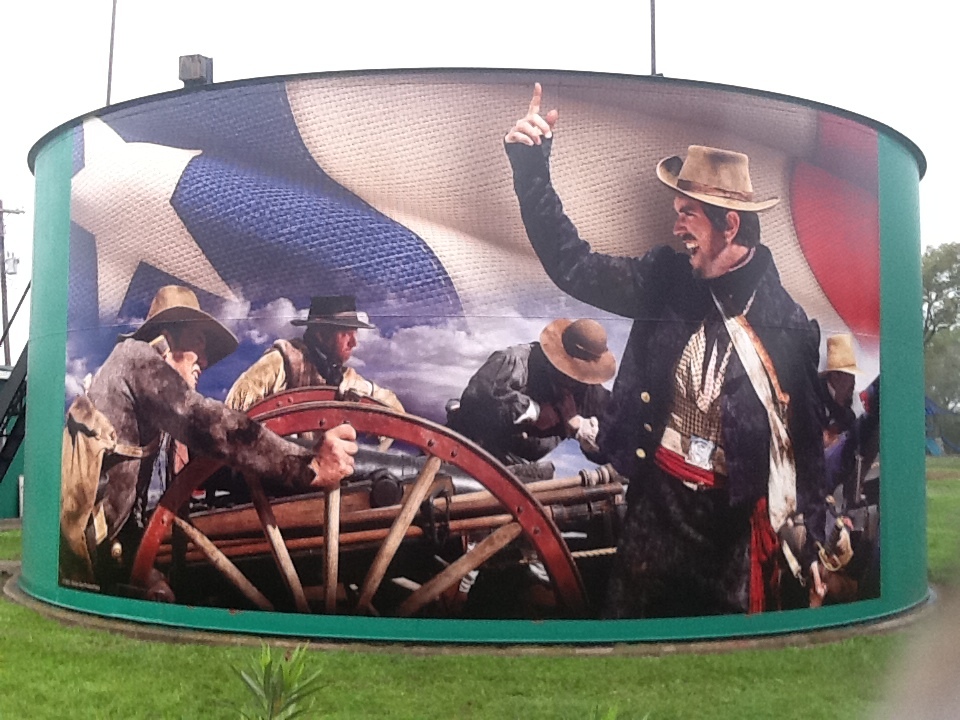
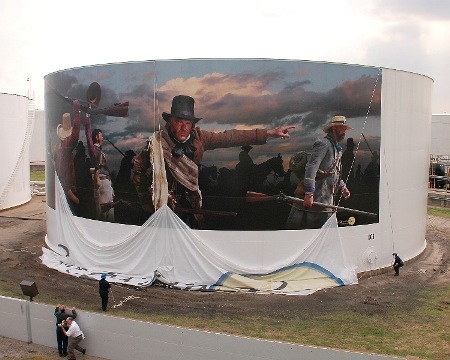
Water Storage Tanks
Petrochemical Tanks
Hotel & Convention Venues
Large Exterior Surfaces
Interior Surfaces for Public or Corporate Spaces
Municipal Packages
Museums & Performing Arts Organizations
Retail
A qualified path
Define the opportunity before making major commitments.
A useful first conversation starts with the surface, location, story, timing, available photos, and known site conditions.
- 01
Share the surface and story
Provide the organization, address, surface type, approximate size, visual goal, timing, photos, and known access limits.
- 02
Qualify the opportunity
Review the site, purpose, fit, known constraints, and people needed for the next conversation.
- 03
Define roles and the next action
Connect the qualified opportunity to the appropriate design and installation discussion before detailed commitments are made.
Have a large surface and a story worth showing?
Start with a short conversation about the surface, location, story, timing, and known site conditions.
The contact route starts a qualification conversation. It does not complete a purchase or guarantee that the opportunity will become a project.